
What Are Dense Breasts and How Do They Affect Mammograms?
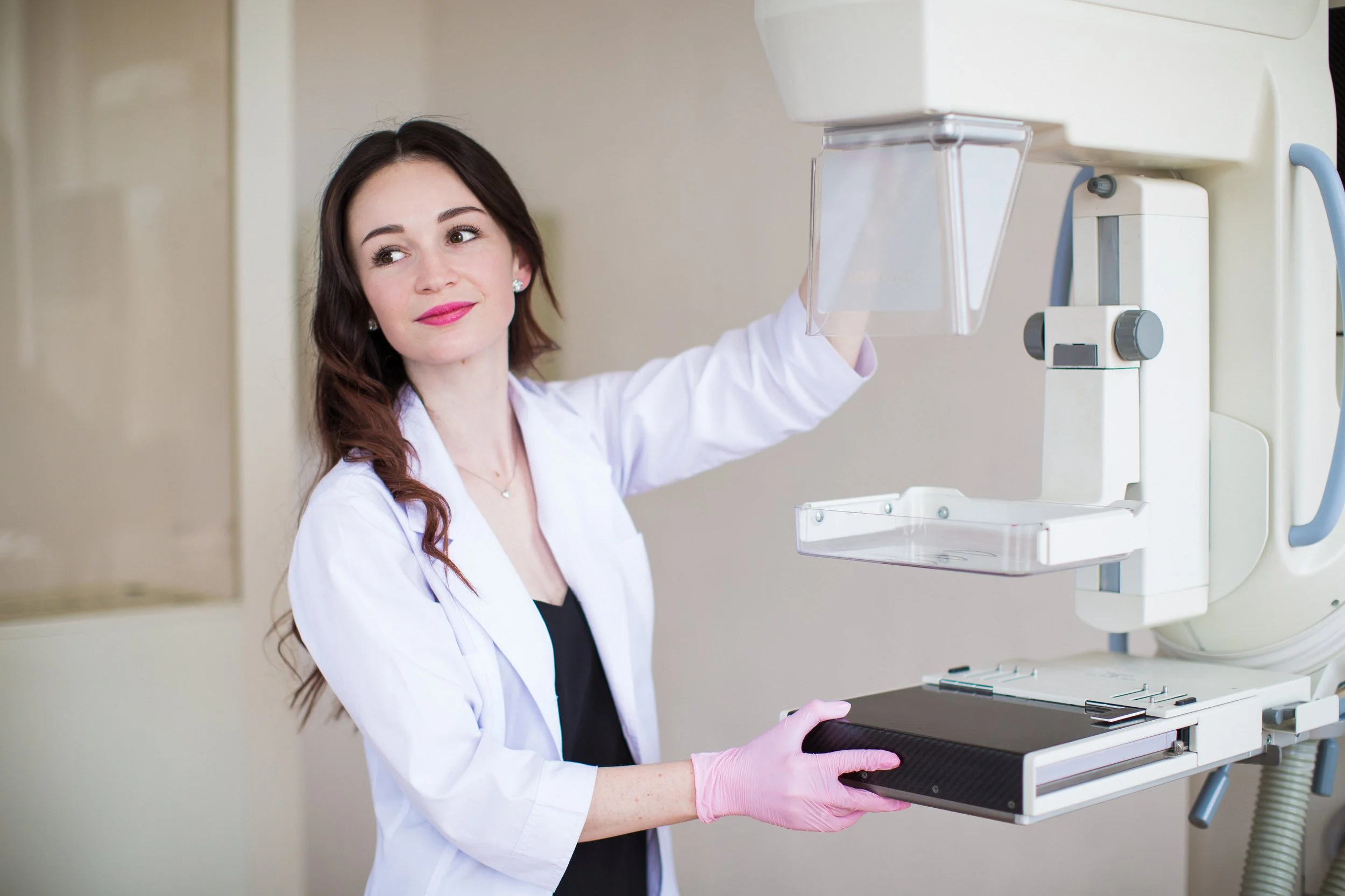
Breasts are made up of three types of tissue: fatty, fibrous, and glandular tissue. Women with dense breasts have more fibrous and glandular tissue and less fatty tissue. Breast density is common, affecting approximately 40% to 50% of women.
Breast density cannot be determined by touch or appearance. It is identified through a mammogram and included in the radiologist's report.
How Dense Breasts Affect Mammograms
Having dense breasts is not a disease, but it can affect breast cancer screening in several ways:
Obscured Tumors: Fatty tissue appears dark on a mammogram, while dense tissue and many cancerous tumors appear white. This can make it harder to identify tumors hidden within dense tissue.
Missed Diagnoses: Dense breast tissue can make mammograms less effective at detecting certain cancers.
Higher Cancer Risk: Women with dense breasts have a higher risk of developing breast cancer than women with less dense breast tissue.
Additional Screenings: Depending on your overall cancer risk, your healthcare provider may recommend additional screening, such as breast ultrasound or MRI.
A radiologist evaluates your mammogram and classifies breast density into four categories:
Category A: Almost entirely fatty tissue.
Category B: Scattered areas of fibrous and glandular tissue.
Category C: Heterogeneously dense tissue with some areas of fatty tissue.
Category D: Extremely dense tissue with very little fatty tissue.
Categories C and D are considered dense breast tissue.
How Often Should I Get a Mammogram If I Have Dense Breasts?
Mammogram recommendations depend on your age, personal health history, and breast cancer risk. Many organizations recommend annual screening for women over 45 years old.
If you have dense breasts, talk with your healthcare provider about whether additional screening is appropriate for you. Regular mammograms can help detect breast cancer early, when treatment may be more effective.
Schedule a mammogram today with Teton Radiology!